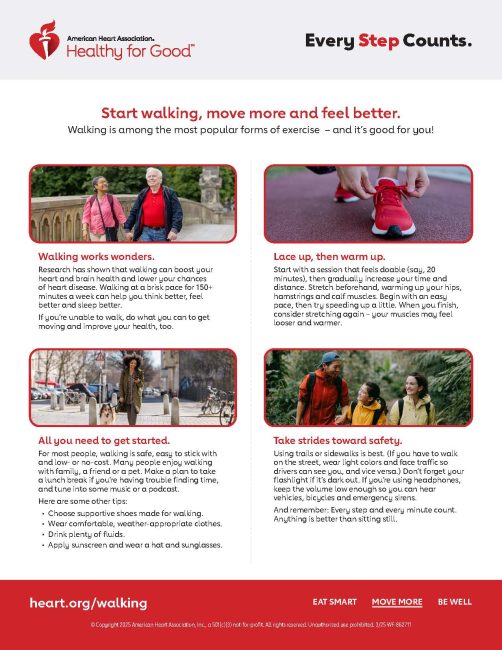
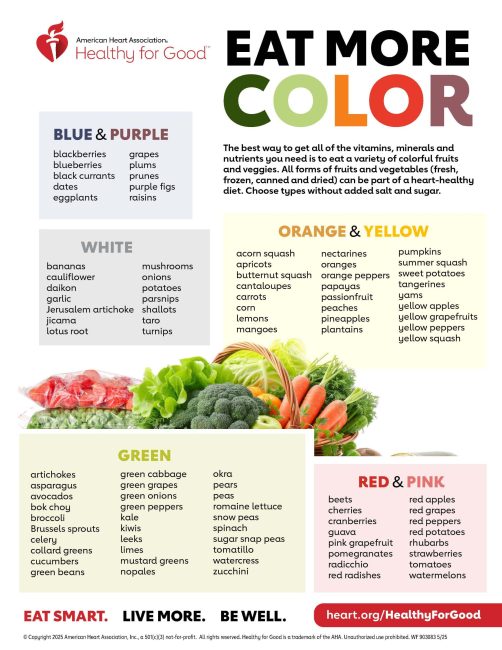
Healthy Eating Active Living
American Heart Association
AnswerLine
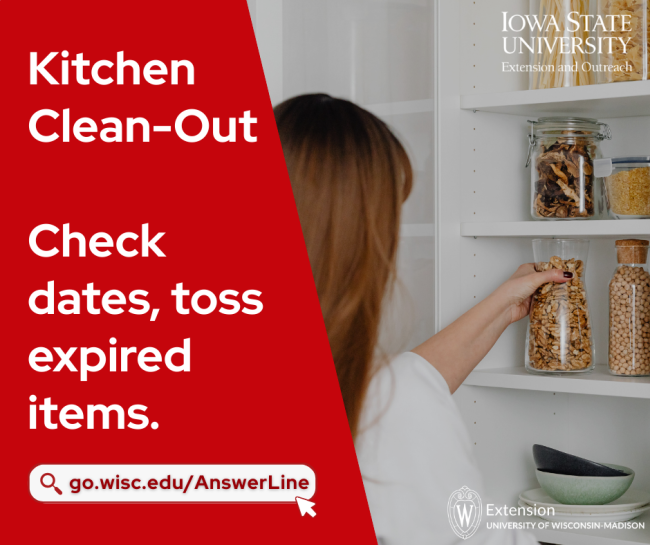
A seasonal kitchen clean-out helps reduce food waste and prevents pests. Check expiration dates, discard swollen or damaged cans, and wipe shelves with warm soapy water before restocking. If you’re unsure whether a food item is still safe, AnswerLine can help.
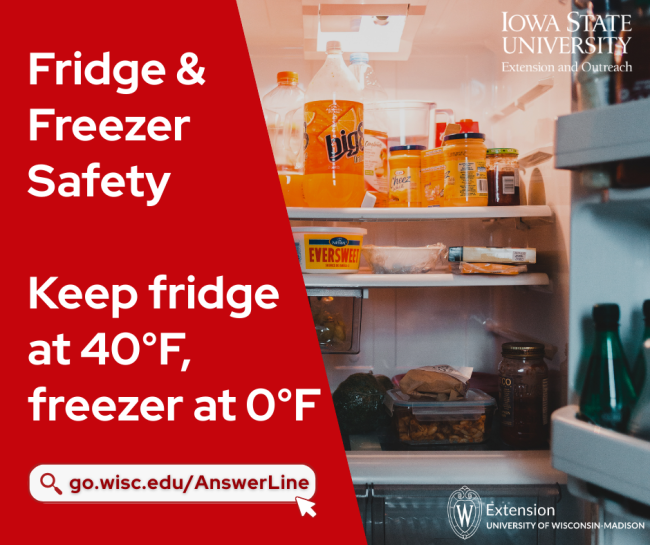
Proper refrigerator and freezer temperatures reduce the risk of foodborne illness. Use an appliance thermometer to confirm your fridge is at 40 degrees F or below and your freezer is at 0 degrees F. If your fridge or freezer stops working, AnswerLine can guide you on what foods to keep or discard.

Cleaning and sanitizing kitchen surfaces helps reduce germs that cause illness. Start by washing surfaces with warm, soapy water. Then, sanitize using a diluted bleach solution (1 Tbsp of unscented bleach per gallon of water).
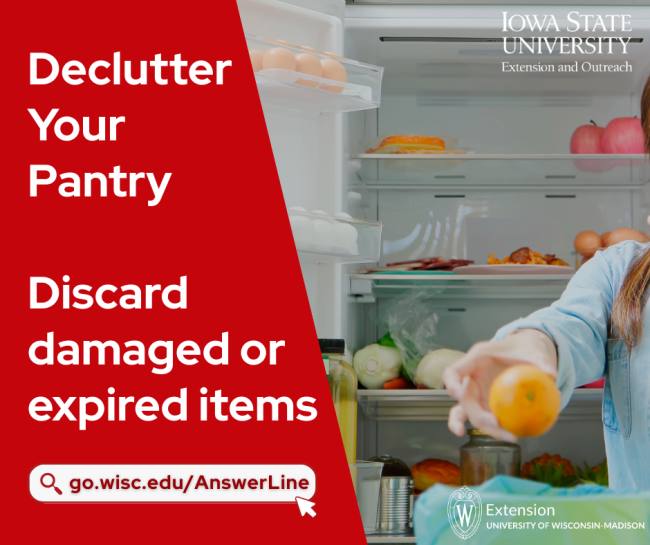
Spring pantry decluttering helps prevent pests and makes meal planning easier. Discard items past expiration, foods with off odors, or packaging that shows signs of damage. Donate unopened items that are still safe to food pantries.
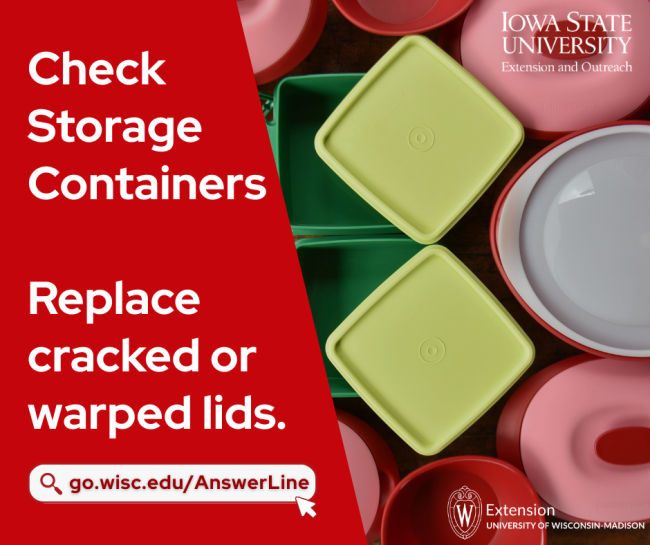
Inspecting your storage containers can help prevent contamination and extend food quality. Replace containers that are cracked, warped, or stained, and verify that lids fit securely. For questions about safe food storage materials (glass, plastic, freezer-safe options), contact AnswerLine
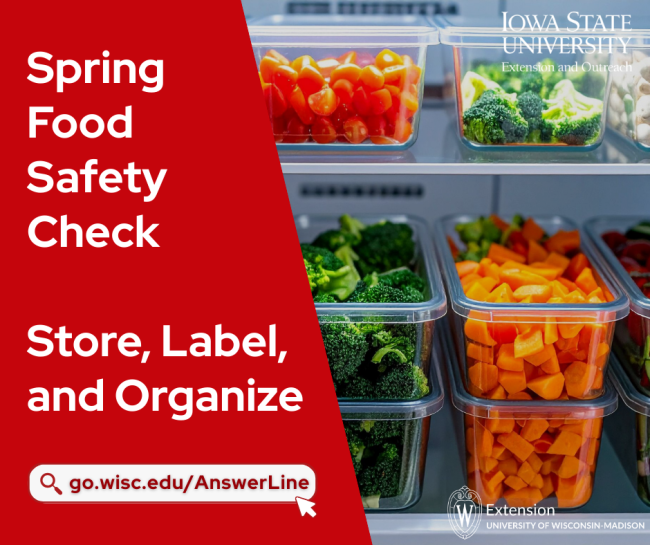
Spring is an ideal time to review how you store and organize food at home. Keep refrigerators and pantries clutter-free so you can easily see what you have. Label leftovers with dates, store raw foods below ready-to-eat items, and group similar products together to prevent cross-contamination and reduce waste.
Harvest of the Month